

How Often Should Your Child Have Their Eyes Checked?
Regular comprehensive eye exams are essential for children. It’s never too early to visit your optometrist! These exams help detect eye conditions early and can also reveal signs.
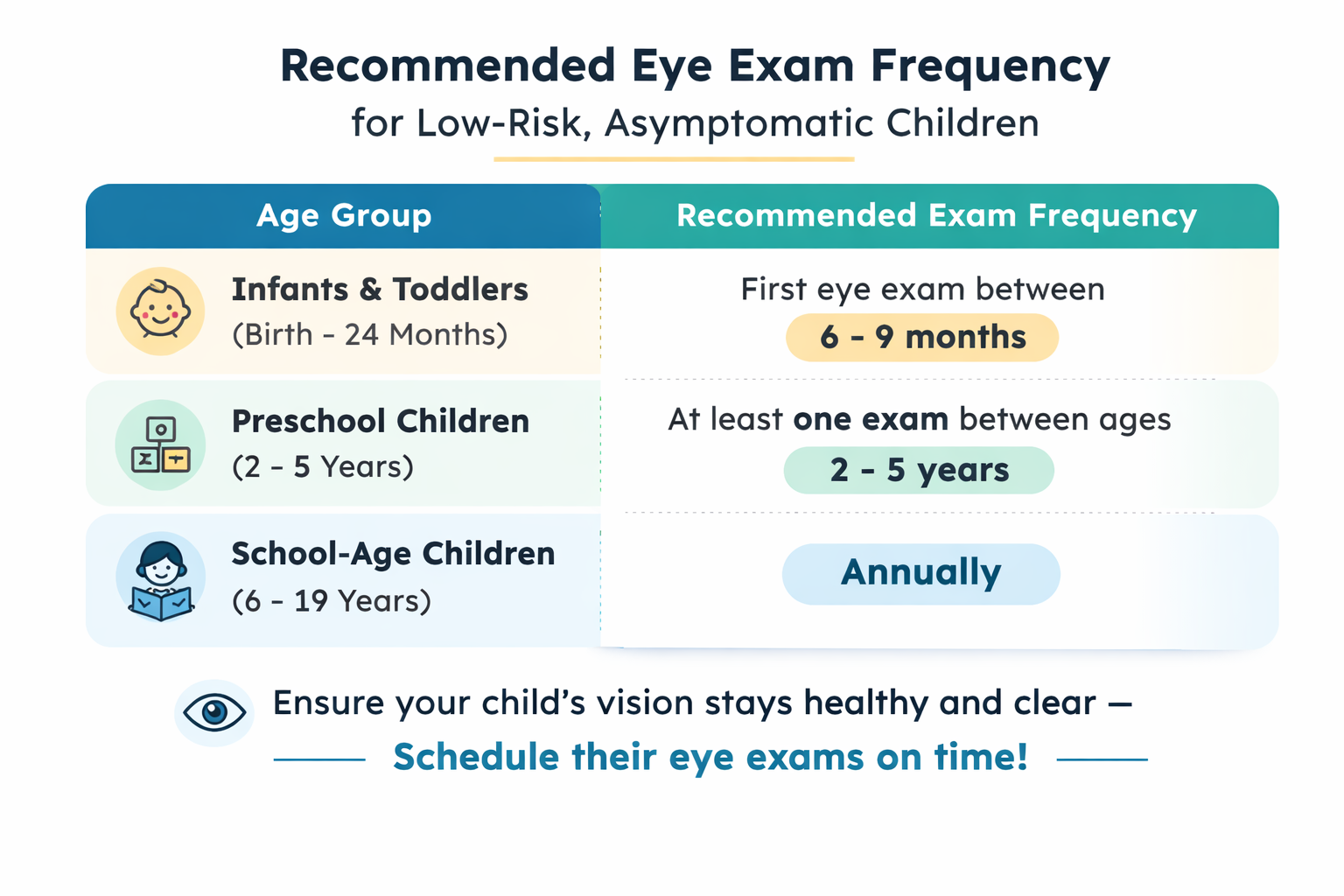
Recommended Exam Frequency for Low-Risk, Asymptomatic Children
Infants & Toddlers (birth to 24 months): First eye exam between 6 and 9 months of age
Preschool Children (2–5 years): At least one eye exam between ages 2 and 5
School-Age Children (6–19 years): Annually
Baby’s Eyes & First Eye Exam
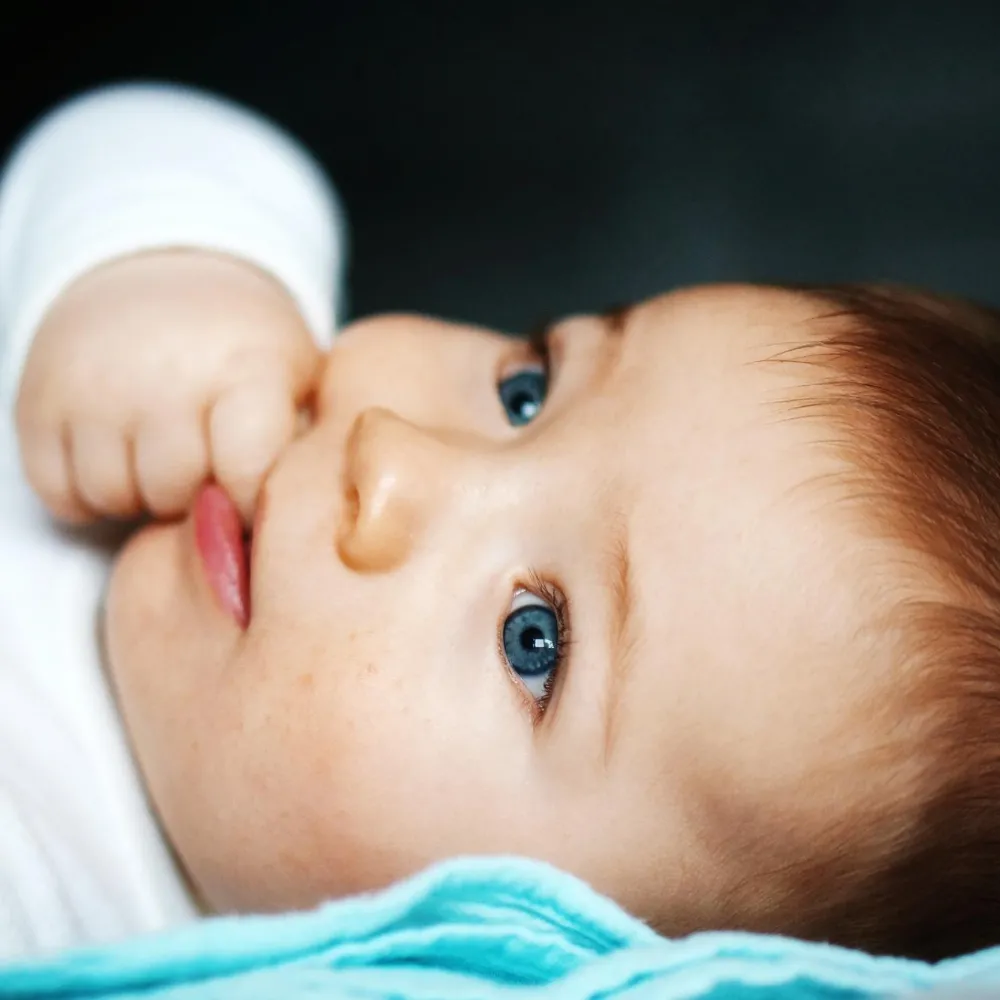
Newborn to 6 Months: At birth, babies can see only blurred patterns of light and dark. Over the first four months, vision gradually improves:
- Colour vision begins to develop.
- The eyes start working together.
- By six months, babies gain control over eye movements and begin developing eye-hand coordination.
Playing with different shapes, textures, and games like “patty cake” and “peek-a-boo” helps strengthen visual skills.
6 Months Old – First Visit to the Optometrist
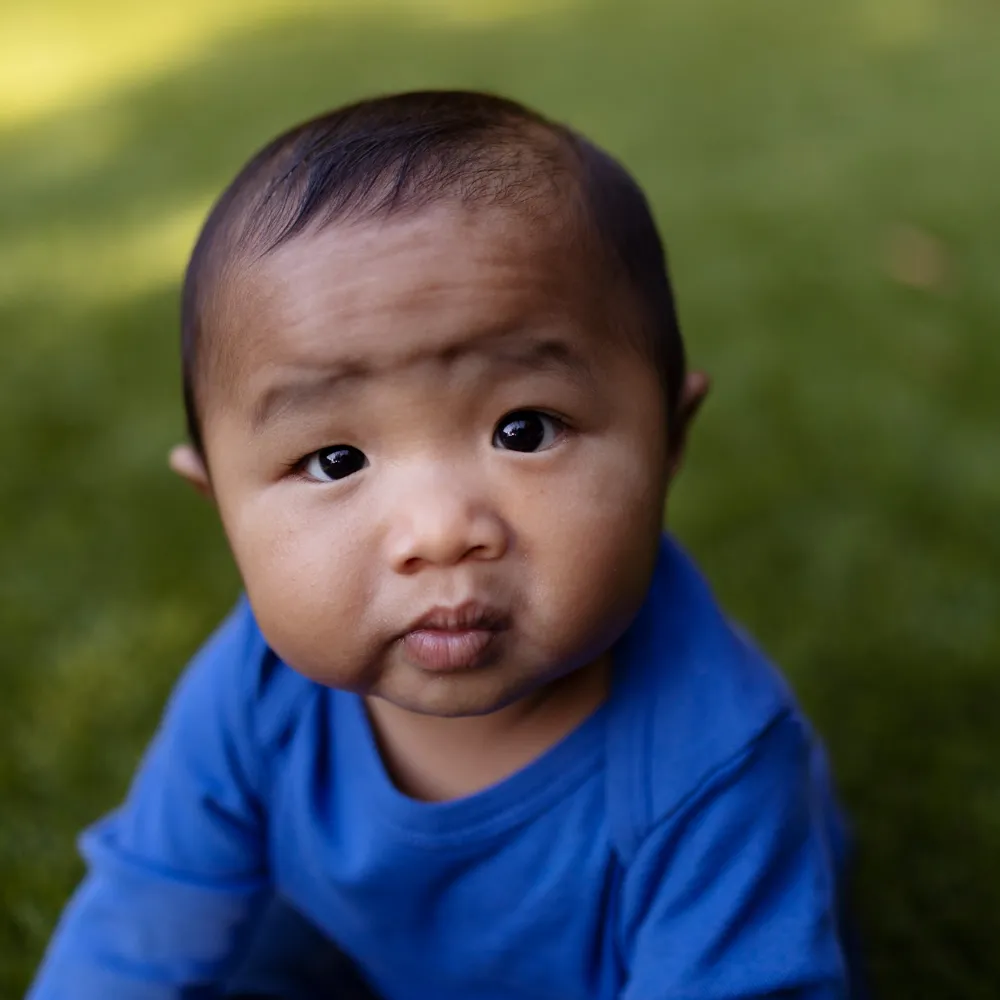
The Canadian Association of Optometrists recommends that babies have their first eye exam between 6 and 9 months. This visit ensures:
- Eyes are healthy and developing normally.
- Eye muscles are aligned and moving properly.
- The eyes can focus together.
Even without an eye chart, an optometrist can test for:
- Nearsightedness, farsightedness, and astigmatism
- Eye movements
- Overall eye health
Tips to make the first visit easier:
- Schedule when your baby is relaxed and happy.
- Complete any paperwork ahead of time.
- Work around fussy times if possible.
Early detection of eye conditions can prevent serious vision problems and, in many cases, allows treatment to fully restore vision.
6 to 12 Months
At this stage, babies are increasingly mobile and learning to use both eyes together. To support visual development:
- Encourage crawling and exploration rather than early walking.
- Provide toys that your baby can touch, hold, and see at the same time.
1 to 3 Years
- Eye-hand coordination and depth perception continue to develop.
- Active play and normal toddler games help strengthen vision.
- By age three, many essential vision skills for lifelong learning are established.
3 Years Old – Second Visit to the Optometrist
At age three, a child should have a second eye exam to:
- Check for eye disease.
- Assess ongoing development of visual skills.
- Evaluate for eye muscle problems like crossed-eyes (strabismus) or lazy eye (amblyopia).
About Amblyopia (Lazy Eye):
- Occurs when one eye does not develop normal vision.
- Can result from crossed eyes, unequal vision, or blockages like cataracts.
- The brain may rely on the stronger eye, leaving the weaker eye underdeveloped.
- Affects 2–4% of children.
- Early detection and treatment often fully resolve the condition.
3 to 5 Years
- Vision skills continue developing to prepare for reading and learning at school.
Watch for possible vision problems:
- Red, itchy, or watery eyes
- Sensitivity to light
- Eyes turning in or out
- Squinting, rubbing eyes, or excessive blinking
- Difficulty concentrating
- Covering or closing one eye
- Holding objects very close
- Avoiding books or screens
- Head tilting or unusual posture
- Signs of frustration or discomfort
Before School – Third Visit to the Optometrist
A child’s third eye exam should occur before starting school. This visit ensures:
- Vision continues to develop properly
- Eyes are ready to support learning and academic success of certain systemic health issues.
Signs your child MAY have vision problems:
Just as your child sees the doctor and the dentist, your child should also see your optometrist on a yearly basis. Especially if they have the following signs:
- Squinting or excessive blinking
- Rubbing eyes a lot
- Red, itchy, or watery eyes
- Holding objects very close
- Headaches or eye strain
- Blurry or double vision
- Eye turn or misalignment
- Tilting or covering one eye
Some vision issues are subtle, so if something seems off, don’t wait. Book an eye exam with a local optometrist—early detection helps kids see clearly and thrive.